
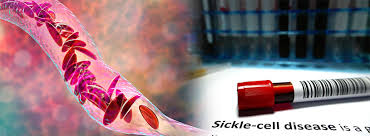
Sickle cell disease (SCD) is a hereditary blood disorder in which red blood cells become rigid and sickle-shaped, leading to chronic anemia, severe pain episodes, frequent infections, and potential organ damage. Without proper treatment, complications can significantly affect quality of life.
India has become a trusted destination for sickle cell disease management and advanced therapies. With experienced hematologists, modern diagnostic facilities, and internationally accredited hospitals, India offers comprehensive care at affordable costs for both children and adults living with SCD.
What is Sickle Cell Disease?
Sickle cell disease is a genetic disorder caused by a mutation in the hemoglobin gene. This mutation leads to the production of abnormal hemoglobin (HbS), which causes red blood cells to become stiff, sticky, and crescent-shaped.
Unlike normal red blood cells that are flexible and move easily through blood vessels, sickle-shaped cells can block small blood vessels, reducing oxygen delivery to tissues. This results in painful episodes known as vaso-occlusive crises, as well as chronic anemia and damage to vital organs such as the spleen, kidneys, lungs, and brain.
Sickle cell disease is inherited when a child receives the defective gene from both parents. Individuals with only one copy of the gene have sickle cell trait and usually do not have symptoms.
Although SCD is a lifelong condition, early diagnosis and comprehensive treatment can significantly reduce complications and improve life expectancy.
Types of Sickle Cell Disease
Sickle cell disease includes several inherited blood disorders based on the combination of abnormal hemoglobin genes.
Hemoglobin SS (HbSS)
This is the most common and severe form of sickle cell disease. Patients experience frequent pain crises, chronic anemia, and higher risk of complications.
Hemoglobin SC (HbSC)
A milder form than HbSS, but still associated with pain episodes, anemia, and complications such as vision problems and splenomegaly.
Hemoglobin S Beta Thalassemia (HbSβ)
This occurs when a person inherits one sickle cell gene and one beta-thalassemia gene. Severity varies from mild to severe depending on the type of beta-thalassemia.
Sickle Cell Trait (HbAS)
Individuals with only one abnormal gene usually do not have symptoms but can pass the gene to their children.
What is the Treatment Protocol for Sickle Cell Disease?
Treatment of sickle cell disease focuses on preventing complications, managing pain, reducing infections, and improving quality of life. In selected cases, curative therapies may be considered.
Step 1: Diagnostic Evaluation
Diagnosis is usually made through blood tests and genetic screening.
A complete blood count (CBC) often shows anemia. Hemoglobin electrophoresis or HPLC confirms the presence of abnormal hemoglobin types such as HbS, HbC, or beta-thalassemia.
Additional tests may include reticulocyte count, liver and kidney function tests, and imaging studies to assess organ involvement. In children and high-risk patients, transcranial Doppler (TCD) ultrasound may be used to assess stroke risk.
Step 2: First-Line Treatment and Disease Management
Most patients with sickle cell disease are managed with long-term medical therapy and supportive care.
Pain and Crisis Management
- Hydration and Analgesics: Oral or intravenous fluids and pain medications during vaso-occlusive crises.
- Hospitalization: For severe pain, infections, or complications.
Disease-Modifying Therapy
- Hydroxyurea: Increases fetal hemoglobin (HbF) levels, reducing pain crises and hospitalizations.
- L-Glutamine, Voxelotor, and Crizanlizumab: Newer therapies that reduce complications and improve red cell function in selected patients.
Infection Prevention
- Vaccinations: Pneumococcal, influenza, and other routine vaccines.
- Prophylactic Antibiotics: Especially in children to prevent serious infections.
Blood Transfusion Therapy
- Simple or Exchange Transfusions: Used to treat or prevent complications such as stroke, acute chest syndrome, and severe anemia.
Step 3: Advanced and Curative Treatment Options
For selected patients, curative or advanced therapies may be considered.
- Bone Marrow / Stem Cell Transplant: The only established curative treatment for sickle cell disease. Recommended for children and young adults with severe disease and a matched donor.
- Gene Therapy: An emerging option for eligible patients with certain genetic profiles, available in specialized centers.
Post-treatment monitoring focuses on preventing infections, managing complications, and ensuring long-term recovery.
Factors Affecting Sickle Cell Disease Treatment Costs in India
The cost of treating sickle cell disease varies depending on disease severity and treatment approach.
- Severity of Disease: Frequent pain crises and organ complications increase treatment costs.
- Type of Therapy: Long-term medications are affordable, while transfusions, biologics, and transplant increase expenses.
- Hospitalization Needs: Recurrent admissions for pain or infections add to overall cost.
- Advanced Treatment: Stem cell transplant or gene therapy significantly raises expenses.
- Hospital and City: Costs vary across institutions and metropolitan areas.
Why Is Sickle Cell Disease Treatment More Affordable in India?
India offers high-quality hematology and transplant care at significantly lower costs while maintaining international standards.
- Lower Infrastructure and Operational Costs
- Availability of High-Quality Generic Medications
- Experienced Hematologists and Transplant Specialists
- Internationally Standardized Treatment Protocols
- Comprehensive Medical Tourism Support
Affordable, Expert Care for Sickle Cell Disease in India
Sickle cell disease is a lifelong condition, but with proper medical care, patients can live healthier and more productive lives. Early intervention, disease-modifying therapies, and preventive care significantly reduce complications.
At our institute, Dr. Ganesh Jaishetwa provides comprehensive evaluation and personalized treatment for children and adults with sickle cell disease, including advanced therapies and transplant options.
Choosing India for sickle cell disease treatment ensures access to expert specialists, modern diagnostics, and cost-effective care without compromising quality.
Patient Testimonials – Sickle Cell Disease Treatment in India
"My Pain Crises Are Finally Under Control" – Ayesha M., Kenya
I used to be hospitalized multiple times every year due to severe pain. Under Dr. Ganesh Jaishetwa’s care, my treatment was optimized with Hydroxyurea and regular monitoring. Today, my quality of life has improved tremendously.
"Successful Transplant for My Son" – Ravi P., India
My son had severe sickle cell disease with frequent complications. Dr. Jaishetwa recommended a stem cell transplant. The procedure was successful, and today my son is free from pain and no longer needs transfusions. We are forever grateful.
Frequently Asked Questions
Sickle cell disease is a genetic blood disorder that causes red blood cells to become sickle-shaped, leading to anemia, pain, and organ damage.
Stem cell transplantation is currently the only established cure for sickle cell disease. Most patients are managed with long-term medical therapy.
Yes. India offers advanced transplant facilities for sickle cell disease with high success rates at significantly lower costs.
Sickle cell disease requires lifelong management. Transplant or gene therapy may offer a one-time curative approach for selected patients.
